 Skip to content

To clean a grill effectively, start by heating it for 15 minutes to burn off food residue, then scrub the grates with a wire grill brush or nylon bristle brush depending on the material. Remove and clean heat shields, drip pans, and burners using warm soapy water or a vinegar solution. For deep cleaning, soak grill grates in hot water mixed with dish soap or baking soda. Finish by rinsing, drying completely, and applying a light coating of vegetable oil to prevent rust. Regular maintenance before and after the grilling season will extend your grill’s life and improve food taste.
How to Clean a Grill for Optimal Performance
Grilling during the holiday season is a mainstay of winter gatherings. With outdoor kitchens, patios, and backyard get-togethers in full swing, there is no better time to ensure your grill is clean, safe, and functioning at peak performance. A properly cleaned grill enhances flavor, prevents mechanical failure, and eliminates the risk of flare-ups caused by grease accumulation.
Grease, carbon deposits, and burnt food particles can compromise the structural integrity of your grill over time. These contaminants can also harbor bacteria or cause cross-contamination. Regular cleaning not only preserves the appliance but maintains consistent cooking temperatures and extends the life of its components.
In this technical guide, we will walk through the step-by-step process for cleaning a gas or charcoal grill thoroughly.
How to Clean a Grill: Required Cleaning Materials and Tools
Cleaning a grill correctly starts with using the appropriate tools and non-corrosive cleaning agents. The following is a checklist of essential items:
- Wire grill brush for stainless steel grates
- Nylon bristle brush for porcelain-coated and cast iron grates
- Dish soap (preferably citrus-based degreasing formula)
- Baking soda for abrasive cleaning
- White vinegar for mild acid-based degreasing
- Paper towels or lint-free cloths
- Vegetable oil for post-cleaning seasoning
- Spray bottle for cleaning solutions
- Scour sponge or heavy-duty non-metallic pad
- Bucket for warm soapy water
- Optional: Aluminum foil, shop vac, toothbrush for burners, putty knife or scraper
- Optional: Oven cleaner for deep cleaning tough, baked-on grease (use with caution and follow manufacturer instructions)
- Garden hose for rinsing components (if applicable)
Use caution when working with any bristle brush. Always inspect the brush before and after use to ensure no bristles detach. Ingested wire bristles can lead to serious injury.
Pre-Cleaning Preparation
Before you begin to clean your grill, taking a few preparatory steps will make the process safer and more efficient. For gas grills, always start by turning off the gas supply, either by closing the shutoff valve on a natural gas line or disconnecting the propane tank entirely. This crucial safety measure helps prevent accidental ignition while you work. Next, use a wire brush or grill brush to sweep away any loose food particles or debris from the grill grates. Removing this surface buildup first ensures that your cleaning solutions can penetrate more effectively and prevents old food from getting further embedded during scrubbing.
If you’re working with a charcoal grill, be sure to empty out any remaining coals and ash before you start cleaning. This not only makes it easier to access the grates but also prevents ash from mixing with your cleaning solutions. To keep your workspace tidy, lay down newspapers or a tarp beneath the grill to catch any falling debris or drips. Taking these simple steps before cleaning will help you tackle stuck-on food and grease more efficiently, protect your grill components, and make post-cleanup a breeze.
Preheat the Grill
Before cleaning, begin by heating the grill to its maximum temperature. Preheat the grill on high heat for 10 to 15 minutes with the lid closed. This process incinerates residual grease and food particles, making them easier to remove. Turn off the burners or allow charcoal coals to extinguish completely. Let the grill cool to a safe handling temperature, typically around 150 to 180 degrees Fahrenheit.
This pre-cleaning heat cycle also sanitizes the interior, reducing microbial load before you start manual cleaning. Proper heating and cleaning are essential steps to prepare your grill for your next BBQ session.
Cleaning Solutions and Techniques

Choosing the right cleaning solutions and techniques is key to keeping your grill grates in top condition throughout the grilling season. For most grill grates, a mixture of warm soapy water and baking soda works wonders on stubborn grease and grime. Simply apply the solution to the grates and let it sit for about 30 minutes to loosen any stuck-on food. Then, scrub thoroughly with a nylon bristle brush or a wire grill brush, depending on the grate material. Stainless steel grates respond well to gentle dish soap and warm water, while cast iron grates benefit from a blend of water and white vinegar to tackle rust and residue.
Avoid using harsh chemicals or abrasive cleaners, as these can damage the finish of your grill and may leave behind residues that affect food safety. For particularly tough spots, a scour sponge or a ball of aluminum foil can help lift debris without scratching the surface. After scrubbing, rinse the grates with clean water and dry them completely to prevent rusting, especially important for cast iron grates, which are prone to rust if left damp.
To keep food from sticking during your next cookout, apply a light coating of vegetable oil to the clean, dry grates using a paper towel or cloth. Regular cleaning and a little elbow grease will keep your grill performing at its best, ensuring delicious results every time you fire it up.
Stainless Steel Grates
Use a wire grill brush to scrub the surface with firm, linear motions. Avoid circular motions, which can spread debris rather than remove it. For stubborn carbon deposits, apply a paste of baking soda and water, let it sit for 15 minutes, then scrub again.
Rinse with clean water and dry completely. To prevent corrosion, apply a thin layer of vegetable oil using a clean cloth or paper towel.
Cast Iron Grates
Use a nylon bristle brush to avoid damaging the porcelain coating. Do not soak cast iron grates in water, as prolonged moisture exposure leads to rust. If necessary, scrub with warm soapy water using a non-abrasive sponge.
Dry immediately and apply a thorough coating of vegetable oil. This seasoning layer maintains the non-stick surface and protects the metal from oxidation.
Removing and Cleaning the Drip Pan and Heat Shields
The drip pan collects grease and food particles that fall through the grates. To keep your grill clean and functioning properly, regularly maintain the drip pan and heat shields as part of your grill cleaning routine. Remove the pan carefully, disposing of any solidified grease. Wash the pan using hot water and dish soap. If heavily soiled, apply baking soda and let it sit for 10 to 20 minutes before scrubbing with a sponge.
Heat shields, also known as flavorizer bars, should be removed and cleaned similarly. These components protect burners from dripping grease and distribute heat evenly across the cooking surface. Scrub off grease buildup using a brush or scouring pad and rinse with clean water.
Inspect all parts for rust or corrosion and replace any damaged components to ensure safe operation.
Deep Cleaning Grill Grates
Grill grates accumulate not only grease and food residue but also carbonized contaminants that resist standard cleaning. Deep cleaning is necessary at the start and end of grilling season or at least once every 6 to 8 weeks for frequent users.
Prepare a solution of hot water and grease-cutting dish soap in a large tub. Submerge stainless steel grates for at least 1 hour. After soaking, scrub thoroughly, rinse, and dry.
For cast iron grates, avoid soaking. Instead, apply baking soda paste, allow it to penetrate buildup, and remove using a nylon brush. Rinse carefully and dry completely. Season the grates with vegetable oil before reassembly.
Burner and Firebox Maintenance
Gas grill burners are susceptible to blockages from grease, insects, and char. Remove the burner tubes and inspect all ports. Use a toothpick or fine wire to clear any obstructions. If your burners are not removable, scrub gently in place using a brush and vinegar solution. Rinse with a damp cloth and dry with paper towels.
The firebox should be scraped clean of carbon flakes, burnt food debris, and grease. Use a putty knife or scraper to dislodge material. Remove debris manually or use a shop vacuum for complete removal. Wipe down interior walls with a damp sponge and vinegar solution.
Inspect the igniter and check for moisture damage, corrosion, or frayed wiring.
Cleaning the Grill Lid and Interior Surfaces
The inside of the grill lid often accumulates carbon buildup which can flake off and fall onto food. Use a scraper to remove loose carbon, followed by a sponge and soapy water. Avoid using corrosive chemicals that can damage the finish or affect food safety.
After cleaning, wiping all interior surfaces with a damp cloth or sponge helps remove any remaining residue. Wipe down all interior surfaces and rinse with clean water. Allow the grill to dry completely before reassembling.
Exterior Grill Surface and Component Cleaning
Use warm soapy water and a soft sponge to clean the exterior of the grill, including control knobs, handles, and shelves. For stainless steel finishes, apply a dedicated stainless steel cleaner or use a 1:1 mixture of white vinegar and water. Always rub with the grain of the metal to prevent scratching.
Rinse with clean water and dry with a microfiber cloth to restore the shine and protect against oxidation.
Cleaning Gas Grills: Safety Protocols
When cleaning a gas grill, safety precautions must be followed:
- Disconnect the propane tank completely and move it away from the cleaning area.
- Check hoses and connectors for signs of wear or cracking.
- After cleaning, reattach the tank and perform a leak test by applying soapy water to the connection points. Open the valve slightly and observe. If bubbles form, tighten the connection or replace the faulty hose.
Do not use flammable cleaning agents or high-pressure water jets near gas lines or valves.
Charcoal Grill Cleaning Procedures
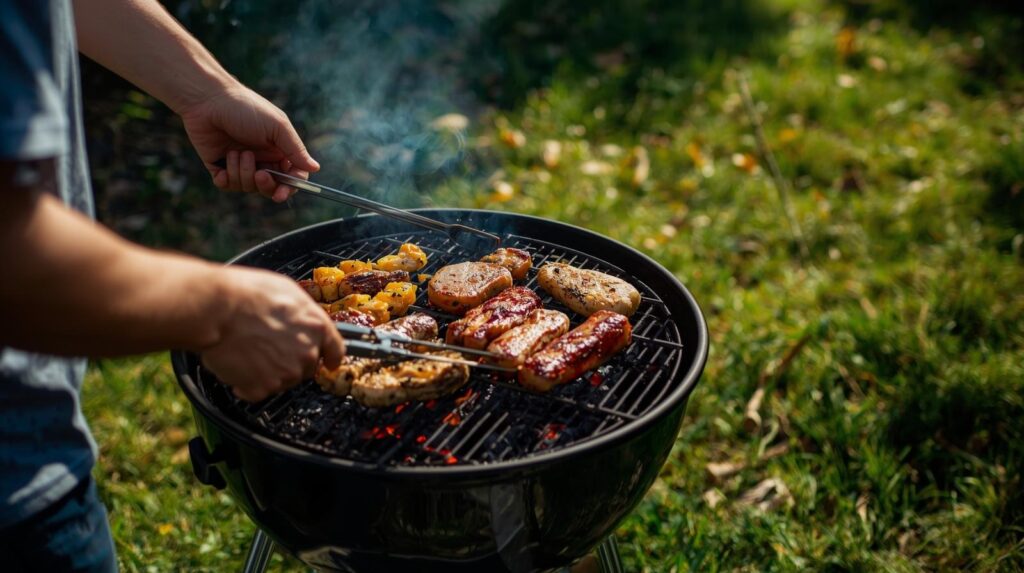
Empty all ashes after each use. Ash buildup restricts airflow and retains moisture, increasing the risk of rust. Scrape off residue from the interior with a metal spatula or scraper.
Clean the cooking grate as described above. Use soapy water and a sponge to wash the inside of the grill bowl. Rinse with a garden hose and dry thoroughly.
Apply vegetable oil to the grate before the next use to prevent food from sticking and to minimize corrosion.
Post-Cleaning Maintenance and Reassembly
Once all parts are clean and dry:
- Reinstall the burners, drip pan, and heat shields.
- Place the grates back in position.
- Turn on the burners for 5 minutes to evaporate any remaining moisture and burn off residues.
- Apply a final thin coat of vegetable oil to the grates using a lint-free cloth.
Store your grill under a cover when not in use. In Florida’s humid climate, moisture control is critical. Using a grill cover helps protect your grill from the elements and prevents rust and damage after cleaning and seasoning. Consider placing desiccant packets or moisture absorbers in your covered grill during long storage periods.
Seasonal Cleaning Frequency Recommendations
- After every use: Brush grates and empty ashes or grease.
- Monthly: Deep clean grates, check burners, clean drip pan and interior surfaces.
- Seasonally: Disassemble and clean all internal components thoroughly. Inspect for rust, wear, and mechanical issues.
Why Grills Need Extra Attention – CooperClean Insight
High humidity, salt in the air (especially near coastal areas), and rapid temperature swings can accelerate rust and material fatigue in grill components.
At CooperClean, our approach to grill maintenance is grounded in precision cleaning methods, safe materials, and technical inspection protocols that ensure your grill performs reliably during every cook.
If you’re preparing for a holiday barbecue, now is the time to invest in a deep clean. A properly maintained grill delivers consistent heat, prevents dangerous flare-ups, and ensures your holiday meals are cooked to perfection.
Frequently Asked Questions
1. What is the safest way to clean cast iron grill grates?
Avoid soaking. Clean with a nylon brush and warm soapy water. Dry immediately and apply a layer of vegetable oil to prevent rust.
2. Can I use a pressure washer on my grill?
No. Pressure washers can damage electrical components and push water into gas lines. Use manual cleaning methods only.
3. How do I know if my burners need to be replaced?
Inspect for corrosion, blockages, or uneven flame distribution. Replace if you see large rust patches or if burner ports are permanently clogged.
4. Should I use aluminum foil to clean the grill grates?
Yes. For a quick clean, crumple aluminum foil into a ball and scrub grates while they are still warm using tongs. It is safe for stainless steel but not recommended for porcelain-coated grates.5. How do I remove stubborn grease from the drip pan?
Apply a thick layer of baking soda mixed with water. Let it sit for 20 minutes before scrubbing with a sponge or brush.