 Skip to content
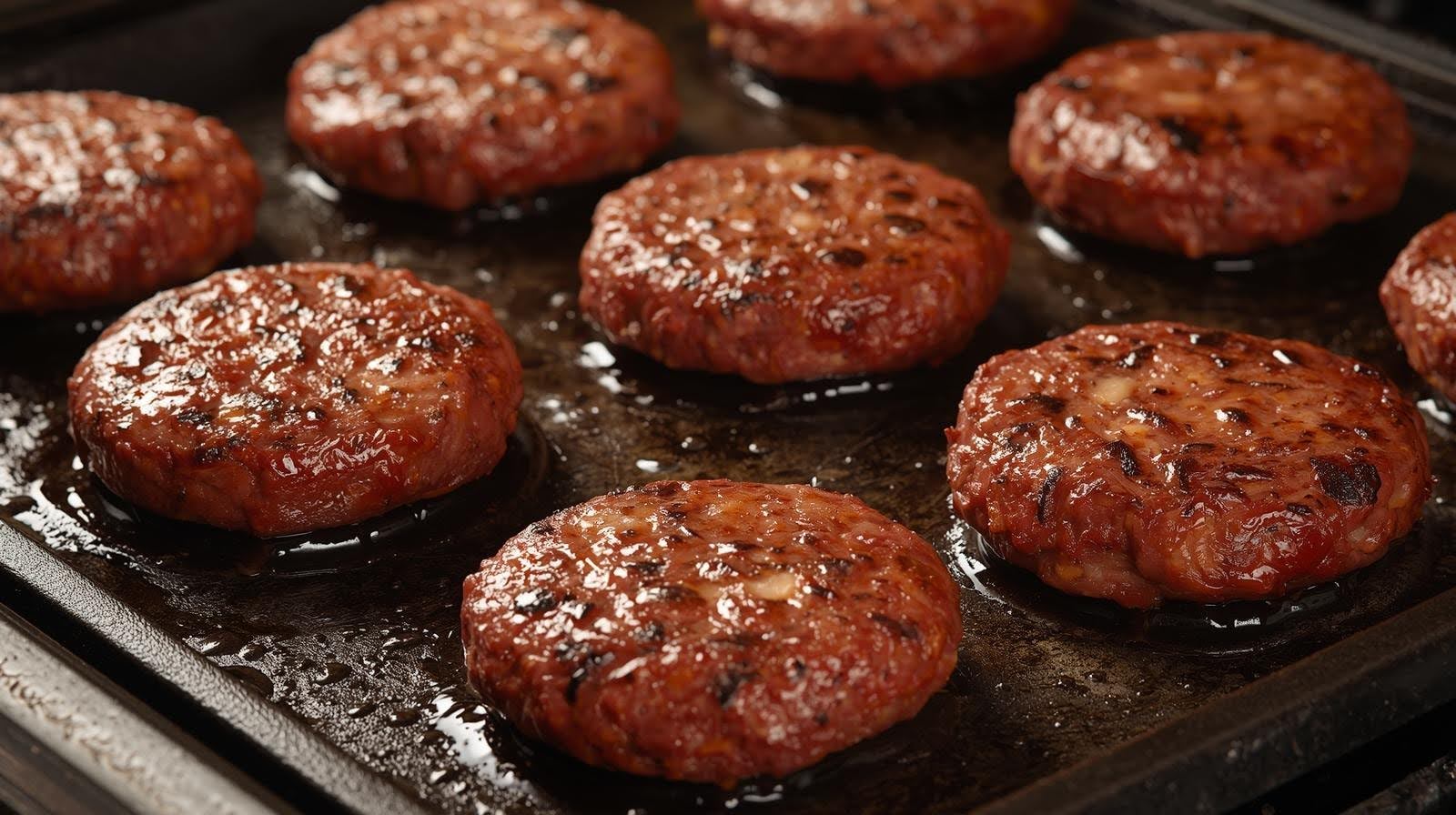
To clean a Blackstone griddle after use, turn off the burners, then while the surface is still warm, scrape off food bits toward the grease trap. Next, add warm water (never cold) to loosen stuck-on debris. Wipe clean with paper towels, then add a thin layer of oil to season and protect the griddle top. That’s it. Scrape, clean, season. Do this after every cook to avoid rust, maintain seasoning, and guarantee a longer life for your Blackstone.
These flat-top griddles are everywhere lately, from full-blown barbecue setups to quick breakfast flips on Sunday mornings. If you’ve ever caught yourself watching Blackstone TikToks or adding “griddle spatula set” to your Amazon cart at midnight, you’re not alone.
“It turns your patio into a diner,” says Nathan Klein, a private chef in Austin who swears by his 36-inch Blackstone for everything from quesadillas to chicken satay. “You’ve got space, control, and honestly, it’s just fun to cook on.”
But like any kitchen tool worth its salt, cleaning it properly matters. And no, it’s not hard, especially if you do it right after you cook.
What You’ll Need
Here’s your short grocery list for griddle cleanup, nothing fancy, but each item earns its keep.
- Griddle scraper or metal spatula
- Warm water in a squeeze bottle
- Paper towels or a clean cotton cloth
- Cooking oil (canola, vegetable, flax, olive)
- Optional: Dish soap, grill scrub pad, and gloves for deep cleans
How to Clean a Blackstone Griddle After Cooking: The Routine That Griddle Pros Swear By
The thing about a Blackstone griddle is this: it’s a workhorse. But unlike traditional grills, it doesn’t ask much in return. Just a quick ritual after every cook. Here’s how the pros (and those of us who pretend to be) do it.
1. Scrape the Griddle Top While It’s Still Hot
Once you’re done cooking, turn off the burners but act quickly. The surface should be warm, not blazing hot, but not cold either. Use a metal griddle scraper to push food scraps, grease, and crusty bits into the grease trap. Go in long, firm strokes. Don’t worry about perfection here, you’re prepping it for the next steps.
Pro Tip: Scrape toward the back or side grease trap (depending on your model) so you’re not spreading the mess.
2. Add Warm Water to Loosen Stuck-On Food
For stubborn spots or burned-on bits, squeeze warm water directly onto the area. You’ll hear a gentle sizzle. This is what loosens the debris without damaging the surface. Avoid cold water since rapid temp changes can cause your griddle top to warp or crack.
Use your scraper again, and this time things should come off easier. Repeat as needed, but stay away from using too much water. You don’t want puddles sitting on your flat top.
3. Wipe It Down Like You Mean It
Once the food bits are gone, grab a bunch of paper towels (or a cloth you don’t mind sacrificing) and wipe down the entire griddle surface. You’re aiming for a clean, dry, food-free top. Get into the corners and don’t forget the sides.
Still noticing black residue? That’s normal, especially if your griddle is newer. Keep wiping until it looks shiny and smooth.
4. Add a Light Layer of Oil (Season and Protect)
The last and most important step? Oil it. Grab a few drops of cooking oil. Canola or vegetable works great, and drizzle it on the surface. Use a clean paper towel to spread a thin, even layer across the entire top. This protects your griddle from rust and keeps the seasoning layer strong.
It’s not just cleaning. It’s prep for your next cook.
How to Deep Clean a Blackstone Griddle (Every 4–6 Weeks)
Sometimes, especially after a greasy dinner or a few skipped wipe-downs, your griddle needs more than just a quick clean. Here’s how to hit reset:
1. Turn Off the Heat and Let It Cool
Safety first. Make sure your griddle is off and cooled down before you bring in the soap and scrub brush. You don’t want to burn yourself or damage the surface.
2. Scrub with Warm, Soapy Water
Mix dish soap with warm water and use a non-abrasive scrub pad or grill brush. Scrub the surface in circles. Be gentle but firm. You’re not sanding a deck, you’re just removing stuck-on grease and food residue.
If the mess is especially stubborn, a little baking soda and water paste works wonders.
3. Rinse and Dry Thoroughly
Using clean warm water, rinse away the soap. Don’t soak the griddle, just use enough to get rid of suds. Then, dry it thoroughly with paper towels or a cloth. No shortcuts here, any leftover moisture can lead to rust.
4. Reseason the Surface
Once it’s dry, add oil just like you do after cooking. Spread it across the surface and turn your griddle on low heat for a few minutes. This helps the oil sink into the metal and builds a new seasoning layer. Turn it off and let it cool before covering.
How Often Should You Deep Clean?
- If you use your griddle 2–3 times a week, deep clean every 4–6 weeks
- If you use it less often, go for a deep clean every 8–10 weeks
- If you see rust or burnt buildup, it’s time. Don’t wait
Common Mistakes to Avoid
- Don’t use cold water on a hot griddle. It can warp the surface
- Don’t skip oiling after use. It leads to rust and damage
- Don’t store it wet or uncovered
- Don’t over-scrape. Too much pressure can chip the surface
Blackstone Griddle Cleaning Tips Straight From Backyard Pros
Here’s what seasoned griddle fans always do:
- Scrape while hot — It’s easier and faster
- Use squeeze bottles — Great for controlled water application
- Keep paper towels handy — A full roll should live near your griddle
- Watch Blackstone YouTube — “Videos you watch may be added to the TV’s watch history” (yes, even cleaning tutorials are helpful)
- Re-season regularly — Especially after a deep clean or long break
Signs You’re Not Cleaning It Right
- It smells off before you cook
- Food starts to stick
- Surface looks dull or spotty
- You spot rust forming around edges
Take those as your sign to scrape, clean, season—in that order.
Maintenance = Better Meals
Think of your Blackstone griddle like cast iron. The more love you show it, the better it performs. Clean it after every cook, deep clean every few weeks, and season it like a ritual. This simple routine is your guarantee for crispy bacon, golden pancakes, and perfectly seared smash burgers every time.
Why Blackstone Owners Swear by This Method
A well-seasoned griddle builds character. It makes dinner better. It avoids messes and keeps your meals tasting exactly the way you want them.
Cleaning your Blackstone griddle is a habit. One that pays off with every burger, breakfast, and backyard taco night. The whole process takes less than 10 minutes, especially if you stay consistent. Keep your tools nearby, your oil stocked, and your scraper ready to go. After all, nothing beats cooking on a surface that’s seasoned to perfection and ready for whatever meal you throw at it.
FAQs
1. Can I use soap every time I clean my griddle?
No. Use soap only for deep cleans every few weeks. Daily use of soap can strip the seasoning layer. Stick with hot water and a scraper for everyday cleaning.
2. What kind of oil should I use to season my griddle?
Use oils with a high smoke point like canola, vegetable, flaxseed, or grapeseed. Avoid butter or low-smoke-point oils—they’ll burn and leave residue.
3. How do I remove rust from my Blackstone griddle?
Use a grill stone or metal scraper to remove surface rust, clean with warm soapy water, dry, and then re-season heavily. Keep it oiled after every use to avoid rust in the future.
4. Can I clean my Blackstone griddle while it’s still on?
No. Always turn off the burners first and let it cool slightly. Cleaning while it’s on is unsafe and can damage your tools or surface.5. What’s the best way to store my Blackstone griddle?
Cover it with a weatherproof lid or griddle cover, store in a dry spot, and always oil the surface before storing to prevent rust and damage.